MiMentor
Hidden Cost of Poor Football Comms

Hidden Cost of Poor Football Comms

The Hidden Cost of Poor Communication in Football Organisations

Poor communication in football rarely appears as one obvious failure. 

More often, it shows up quietly. A coach misses an update. A CPD resource is shared with one group but not another.

A new member of staff joins and has to piece together the club’s methodology through conversations, old documents and personal interpretation. A player receives slightly different messages as they move between age groups, not because staff disagree, but because the information around them is not connected. 

In isolation, these moments may seem small. Across a full football department, they become significant. 

In elite environments, communication is not simply an operational issue. It shapes clarity, alignment and culture. It influences how quickly staff understand expectations, how consistently coaches deliver the methodology and how effectively learning is shared across the organisation. 

For senior leadership teams, the question is no longer whether communication matters. It is whether the club has the right systems in place to make communication visible, consistent and useful. 

Communication Is A Performance Issue 

Modern football clubs are complex organisations. 

Academies, men’s teams, women’s teams, analysis departments, sports science, medical teams, player care staff and senior leaders all contribute to the performance environment. Each department holds valuable knowledge. Each interaction can influence how players and staff experience the club. 

That level of collaboration creates opportunity, but it also creates risk. 

When communication is clear, departments work from shared principles. Coaches understand the methodology. Staff can access the resources they need. Learning is captured and revisited. Players receive consistent messages as they move through the pathway. 

When communication is fragmented, even strong people can end up working in disconnected ways. 

Sir Alex Ferguson once explained that one of the biggest lessons he learned in management was the need to communicate effectively with the entire dressing room, not just a select few. In modern football organisations, that principle extends beyond players. Communication must reach coaches, support staff, analysts, academy teams and leadership groups if an environment is going to stay aligned. 

This is why communication should be viewed as part of performance, not administration. A club’s ability to communicate well affects how quickly knowledge travels, how accurately ideas are understood and how consistently standards are delivered. 

The Real Cost Is Often Hidden 

The challenge is not unique to football. 

Grammarly’s 2024 State of Business Communication report, produced in collaboration with The Harris Poll, found that professionals now spend 88% of their workweek communicating, including 19 hours on written communication alone. The same report found that 84% of leaders are communicating across more channels than ever before. 

That matters because more communication does not automatically mean better communication. 

In a football context, the number of channels has grown quickly. Staff may be working across email, WhatsApp, shared drives, video platforms, meeting notes, analysis systems and informal conversations. Each tool may serve a purpose, but without a clear structure, information can quickly become scattered. 

The result is not always dramatic. It is often a slow loss of clarity. 

Time is spent searching for previous resources. CPD learning is not followed up. Session ideas are difficult to revisit. Staff development activity becomes hard to track. New coaches must ask multiple people for information that should be easy to access. 

Poor communication does not only create confusion. It creates friction. 

The lesson for clubs is simple: if communication is left entirely to informal habits, important learning will be missed. 

Elite Environments Need Shared Understanding 

Jürgen Klopp once described leadership by saying: “I need experts around me.” He also stressed the importance of empathy, understanding people and giving them support. 

That idea is highly relevant to modern football organisations. High-performance environments are not built by one person holding all the knowledge. They are built by experts working together with clarity and trust. 

But expertise only becomes powerful when it is connected. 

A Head of Coaching may set a clear development direction, but that direction must be understood by every coach. An academy may have a strong methodology, but that methodology must be accessible, discussed and applied consistently. A CPD programme may deliver excellent insight, but that learning must live somewhere beyond the room it was delivered in. 

This is where many clubs face a practical challenge. 

They do not lack knowledge. They lack a connected environment for that knowledge to be shared, stored and developed over time. 

Where MiMentor Fits 

MiMentor has been built around the belief that coach education and staff development should be accessible, connected and easy to engage with. 

For clubs and organisations, the platform creates a central place to host and share education content, courses and resources for coaches, staff and members. That is important because communication improves when people know where to go for information. 

Instead of development activity being spread across emails, message threads, meeting notes and individual files, MiMentor gives clubs a more structured environment for learning and collaboration. 

Resources can be stored in one place. CPD activity can be shared more consistently. Coaches can access learning at a time and pace that suits them. Communities can be created to support discussion, connection and shared development. 

For senior leadership teams, this creates greater visibility. 

A Head of Coaching, Academy Manager or Technical Director can begin to understand not just whether learning is happening, but how it is being accessed, shared and embedded across the organisation. 

The value of a platform is not that it replaces conversation. 

It gives conversation somewhere to go next. 

Better Communication Builds Better Culture 

Culture is often spoken about in football as if it is created through values on a wall or messages delivered at the start of the season. 

In reality, culture is shaped by daily habits. 

It is shaped by how staff communicate, how learning is shared, how clearly expectations are understood and how consistently people are supported. If communication is fragmented, culture becomes harder to sustain. If communication is connected, culture becomes easier to build. 

Clubs that want to build stronger environments need more than content. They need a place where knowledge can be hosted, accessed, discussed and developed over time. 

MiMentor provides that space. 

Not as another layer of administration, but as a platform that helps clubs bring coach development, learning resources and staff communication into one connected environment. 

Because in elite football, the hidden cost of poor communication is rarely just confusion. 

It is lost learning, missed alignment and unrealised potential. 

MiMentor Platform Helping Coaches Grow

Are you a coach keen to learn and develop you knowledge in today’s modern game? As a member of MiMentor Explore, you’ll get access to CPD courses, resources, webinars and learning content used by clubs and coaches from elite academies to grassroots. You’ll be able to join our community of coaches and share ideas and gather insight from others, and also be able to ask questions to our coaching Mentors who are there to support you on your coaching journey.

Want to learn more about MiMentor Explore, click here…

Football’s Need For Knowledge-Sharing

Football’s Need For Knowledge-Sharing

Why Football Clubs Need Internal Knowledge-Sharing Systems 

Across professional football, coaches and support staff are exposed to an endless stream of analysis, research, CPD opportunities, performance data and shared experience.

Yet despite this abundance of knowledge, many organisations still face a surprisingly simple challenge: making sure valuable learning is captured, shared and used consistently across the club. 

In high-performance football environments, that matters. 

A coach may reflect on a session with a colleague. An analyst may identify a detail that changes how a player is reviewed. A Head of Coaching may deliver a CPD session that shapes staff thinking for the season ahead. These moments can be valuable, but too often they remain tied to the people who were present at the time. 

For a football club, the opportunity is not just to create more knowledge. It is to make sure knowledge moves. 

Football Has A Knowledge-Sharing Challenge 

Football has traditionally been built around individual expertise. Coaches, analysts and practitioners develop knowledge through experience and bring that understanding into their environment. 

That will always be important. The game needs people with instinct, judgement and lived experience. 

The challenge comes when too much knowledge sits only with individuals rather than within the organisation. When a coach leaves, years of observations, reflections and learning can leave with them. When departments work in isolation, valuable insight may never reach the people who could benefit from it most. 

This is not about replacing conversation or reducing the human side of football. It is about making sure that strong work does not disappear into inboxes, personal folders, WhatsApp groups or one-off meetings. 

In many clubs, the issue is rarely a lack of quality work. It is the lack of a connected system that allows quality work to become part of the wider learning environment. 

The Best Clubs Think Beyond Individuals 

Elite football will always celebrate outstanding individuals. But sustainable performance is rarely built on individuals alone. 

It is built on environments and culture. 

In academy football, this is particularly important. Players move between age groups, coaches and development phases. If staff are not aligned, the player experience can become inconsistent. One coach may use different language, another may interpret the methodology differently, and another may have access to resources others have never seen. 

The strongest academies do not remove individuality from coaching. They create clarity around the shared principles that sit underneath it. 

That clarity becomes easier when knowledge is organised, accessible and part of the everyday learning culture. Session ideas, CPD reflections, player development frameworks and methodology resources should not be difficult to find or dependent on who someone happens to ask. 

When knowledge is shared properly, new staff can onboard more quickly, existing staff can collaborate more effectively, and players experience a more connected development pathway. 

This is where culture becomes more than a word. Culture is not only what a club says it values. It is what staff experience every day through communication, learning, support and shared standards. 

Why This Matters More Than Ever 

Football environments are becoming more complex. 

Academies are larger. Performance departments are more specialised. Women’s football is developing rapidly. Multi-club models are becoming more common. Expectations around coach development, CPD tracking and internal communication continue to grow. 

In that context, informal knowledge-sharing is no longer enough. 

Sir Dave Brailsford’s “marginal gains” philosophy is often summarised as the idea that small improvements across multiple areas can lead to a significant overall improvement. As Brailsford has explained: “The whole principle came from the idea that if you broke down everything you could think of that goes into riding a bike, and then improved it by 1%, you will get a significant increase when you put them all together.” 

Football has already embraced that principle in areas such as analysis, nutrition, recovery and sports science. 

Yet one of the most meaningful marginal gains may sit in something less visible: how well a club shares what it already knows. 

When coaches can access learning resources easily, revisit previous work, contribute reflections and understand what is happening across departments, the whole environment becomes stronger. Small improvements in communication and alignment can create meaningful long-term benefits across an academy or football department. 

The Competitive Advantage of Organisational Learning 

The phrase “learning culture” is used regularly in football, but effective learning cultures do not happen by accident. They are built through habits, systems and expectations that make development part of everyday practice. 

For senior leaders, the question is not simply whether coaches are learning. It is whether that learning is visible, connected and useful to the wider organisation. 

A strong internal knowledge-sharing system helps turn individual learning into organisational progress. It gives clubs a way to retain expertise, support staff development, reduce duplication and create greater consistency across teams and departments. 

Johan Cruyff once said: “Quality without results is pointless. Results without quality is boring.” 

That idea applies beyond the pitch. In football organisations, quality matters in how people learn, how knowledge is shared and how standards are sustained. Results may be the visible measure, but the quality of the environment behind them is what allows progress to be repeated. 

This is where modern football learning is heading. 

The future football club will not be the one that simply collects the most information. It will be the one that knows how to organise, share and apply that information in ways that improve people and performance. 

Because in modern football, one of the greatest competitive advantages is not what one person knows. 

It is what the organisation is able to learn together. 

MiMentor Platform Helping Coaches Grow

Are you a coach keen to learn and develop you knowledge in today’s modern game? As a member of MiMentor Explore, you’ll get access to CPD courses, resources, webinars and learning content used by clubs and coaches from elite academies to grassroots. You’ll be able to join our community of coaches and share ideas and gather insight from others, and also be able to ask questions to our coaching Mentors who are there to support you on your coaching journey.

Want to learn more about MiMentor Explore, click here…

The Skills Defining Modern Coaches 

The Skills Defining Modern Coaches 

Beyond Xs and Os: The Skills Defining Modern Coaches

For decades, football coaching was viewed primarily through a tactical lens.

While tactical knowledge remains essential, elite football environments now demand far more from modern coaches. 

Modern coaches are no longer simply tactical experts. 

Today’s leading coaches are communicators, collaborators, educators, psychologists, leaders and culture-builders. They manage people as much as they manage performance. In Premier League and elite academy environments, the ability to influence behaviour, build relationships and create learning environments has become just as important as designing a pressing structure or coaching positional play. 

This is a theme that sits at the heart of modern coach development. The best coaches are not simply experts in football knowledge. They are experts in understanding people, creating trust and helping players and staff continue to learn. 

Football Has Changed, So Coaching Must Too 

Today’s players are developing within increasingly complex environments. Young athletes are exposed to analysis, social media, performance data, psychological pressure and external expectation earlier than ever before. 

As a result, coaching can no longer rely solely on instruction. 

Today’s elite players require coaches who can communicate clearly, build trust, provide meaningful feedback and create environments where players feel ownership over their development. Emotional intelligence, adaptability and relationship management are now central parts of modern coaching. 

Arsène Wenger captured this wider responsibility when discussing academy environments, saying: “When I create an academy, I have to think, ‘How can I educate the man or woman inside the football player as well?’” 

That idea feels increasingly relevant in today’s game. The role of the coach is not only to improve performance, but to support the development of the whole person behind the player. 

The coaches who thrive in these environments are the ones capable of understanding the human element behind performance as much as the tactical one. 

This evolution is particularly visible within academy football. 

Across elite academies, clubs are increasingly investing in coach development programmes that focus not only on tactical understanding, but also leadership, reflection, mentoring and interpersonal skills. 

Communication Is Becoming a Competitive Advantage 

In high-performance environments, communication shapes everything from player understanding to staff alignment and trust within teams. 

The ability to communicate clearly and consistently is now one of the defining characteristics of elite coaching. Importantly, communication is no longer viewed as instinctive. It is a skill that can be developed, reviewed and refined. 

A coach may have excellent ideas, but those ideas only become valuable when they can be understood, adapted and applied by players and staff. This is why communication, empathy and emotional intelligence are now such important parts of coach education. 

Modern football is full of information. The challenge for coaches is no longer simply knowing more. It is knowing how to transfer that knowledge effectively. 

This is one of the reasons why clubs are embracing more collaborative learning environments and digital learning systems. The era of isolated coaching is disappearing. 

Reflection Is No Longer Optional 

Reflective practice has become a core part of elite coach development. 

Modern coaches are expected to review sessions, communication, decision-making and leadership behaviours as part of daily practice. Learning is no longer limited to qualifications or occasional workshops. It is continuous. 

Sir Alex Ferguson spoke directly about this when offering advice to UEFA coaching students, saying: “I think that it’s really important that coaches go through all the courses they can, even the refresher courses and keep attending them, because there’s always something, little bits, you learn all the way down.” 

That mindset is central to modern coach development. 

The best coaches do not see learning as something they complete. They see it as something they remain connected to throughout their career. 

This shift is driving demand for digital learning environments where coaches can track, revisit and share development over time. Reflection becomes more powerful when it is not left in a notebook or a one-off conversation, but captured as part of a coach’s ongoing learning journey. 

Learning Must Fit the Reality of Coaching 

One of the biggest challenges within professional football is time. 

Coaches operate within fast-moving environments where schedules change quickly and opportunities for formal learning can be limited. Modern learning therefore needs to be accessible, flexible and integrated into the realities of day-to-day coaching. 

The most effective learning environments are no longer built around occasional workshops alone. Instead, they combine in-person support with continuous digital access to resources, conversations, reflections and development opportunities. 

This allows coaches to engage with learning at a time and pace that suits the reality of elite football. 

For clubs and organisations, this also creates a more connected approach to coach development. Learning can be shared across departments, resources can be accessed consistently, and coaches can continue to develop beyond the training pitch. 

MiMentor supports this shift by providing a digital learning environment where clubs, coaches and organisations can host resources, access expert-led content, track progress and create more consistent development opportunities. 

The Future Coach Will Be Multi-Dimensional 

The tactical level across elite football continues to rise. 

What increasingly separates coaches is not simply what they know, but how effectively they can transfer knowledge, influence behaviour and manage environments. 

The future coach will need to combine tactical intelligence with leadership, communication, emotional awareness, reflection, collaboration and digital fluency. 

Football is moving toward more connected, people-centred learning environments. 

The clubs that invest in developing modern coaches will ultimately create stronger cultures, better learning environments and more sustainable long-term performance. 

Modern coach development should reflect the realities of modern football. Coaches need access to learning that is flexible, relevant and ongoing. Clubs need systems that support reflection, collaboration and shared development. 

Because the best coaches are no longer defined solely by what they teach. 

They are defined by how they lead, how they connect and how committed they remain to learning. 

MiMentor Platform Helping Coaches Grow

Are you a coach keen to learn and develop you knowledge in today’s modern game? As a member of MiMentor Explore, you’ll get access to CPD courses, resources, webinars and learning content used by clubs and coaches from elite academies to grassroots. You’ll be able to join our community of coaches and share ideas and gather insight from others, and also be able to ask questions to our coaching Mentors who are there to support you on your coaching journey.

Want to learn more about MiMentor Explore, click here…

Premier League Clubs Continuous Learning 

Premier League Clubs Continuous Learning 

Why Premier League Clubs Are Investing in Continuous Learning Ecosystems 

For years, coach development in football followed a familiar pattern: complete a qualification, attend the occasional CPD event and learn through experience on the grass. 

While those opportunities remain important, the demands of modern football have changed significantly. 

Today’s coaches are expected to be more than technical experts. They are leaders, communicators, educators and collaborators operating within increasingly complex environments. Yet many football organisations still rely on development models that were designed for a different era. 

This is why Premier League clubs and elite academies are increasingly investing in continuous learning ecosystems rather than relying solely on traditional coach education. 

The most forward-thinking organisations understand that coach development cannot be left to chance. It needs structure, visibility and consistency. It needs to support coaches in the reality of their day-to-day environment, while helping clubs align learning across departments, pathways and staff groups. 

From Events to Everyday Learning 

The challenge facing most clubs is not a lack of information. Coaches today have access to more content, research and insight than ever before. 

The real challenge is creating an environment where learning becomes consistent, accessible and embedded within everyday practice. 

A one-off workshop may inspire new ideas, but meaningful development happens when learning is continuous. The most progressive football organisations are moving away from isolated learning events and creating systems that allow coaches to engage, reflect and collaborate throughout the season. 

Learning is no longer viewed as something separate from performance. It is becoming part of it. 

That shift is already visible across the professional game. Clubs and organisations are looking for ways to support their workforce with stronger CPD structures, clearer learning pathways and more accessible development opportunities. 

MiMentor is proud to support a growing number of leading organisations across the game, including Aston Villa, Arsenal, Derbyshire FA and more, as they continue to invest in coach development and learning culture. 

Why Learning Culture Matters 

The strongest football environments understand that player development and coach development are directly linked. 

Better coaches create better learning experiences. Better learning experiences create better players. 

This is particularly important within academy football, where consistency across age groups and departments can have a significant impact on long-term player development. 

As academies grow, so does the challenge of maintaining alignment. Coaches need access to shared resources, clear methodologies and opportunities to learn from one another. Without that structure, valuable knowledge often remains within individual departments rather than benefiting the wider organisation. 

A strong learning culture helps clubs move beyond individual development and towards organisational development. It gives staff a shared language, creates greater consistency and ensures coach education becomes part of the everyday rhythm of the club. 

The clubs creating genuine competitive advantages are not simply developing players. They are developing people. 

Organisational Learning Is Becoming A Priority 

Staff turnover is a reality of modern football. 

When knowledge sits with individuals rather than within systems, organisations risk losing valuable expertise every time someone leaves. 

This is why more clubs are focusing on organisational learning. They want to capture best practice, track coach development and create environments where knowledge can be shared across departments and generations of staff. 

For Technical Directors, Heads of Coaching and Academy Managers, the goal is no longer just supporting individual coaches. It is creating a learning environment that strengthens the entire organisation. 

This is where platforms like MiMentor play an important role. 

MiMentor helps clubs centralise the learning resources, education content and development tools their coaching staff need in one place. It supports a more consistent approach to CPD, saves time for staff and helps align development across the coaching pathway. 

For organisations operating across multiple teams, departments or locations, that level of consistency matters. 

Empowering Coaches, Elevating Players 

The future of football coach development is unlikely to be built around more courses or more content alone. 

Instead, it will be shaped by learning environments that are flexible, collaborative and accessible. Environments where coaches can learn at a time that suits them, engage with colleagues, reflect on their practice and track their development over time. 

MiMentor is built around that reality. 

The platform delivers expert-led, high-impact learning designed to support measurable player development across an organisation. Its content equips coaches with the knowledge, practical tools and confidence to consistently develop talent and maximise potential at every level. 

For clubs and leagues, the value is not simply in giving coaches access to content. It is in creating a connected learning environment that helps standardise quality, support staff development and strengthen the wider club. 

The Future of Coach Development 

The clubs that thrive over the next decade will be those that recognise learning as a strategic advantage. 

In modern football, success is not just about building better teams. 

It is about building organisations that never stop learning. 

Premier League clubs, elite academies, FAs and forward-thinking organisations are already recognising the importance of investing in their people. By creating continuous learning ecosystems, they are helping coaches develop more consistently, players learn more effectively and clubs become more aligned. 

Coach development is no longer an occasional event. 

It is part of how modern football organisations grow. 

MiMentor supports that shift by helping clubs empower their coaches, elevate their players and strengthen their club through accessible, connected and continuous learning.  

MiMentor Platform Helping Coaches Grow

Are you a coach keen to learn and develop you knowledge in today’s modern game? As a member of MiMentor Explore, you’ll get access to CPD courses, resources, webinars and learning content used by clubs and coaches from elite academies to grassroots. You’ll be able to join our community of coaches and share ideas and gather insight from others, and also be able to ask questions to our coaching Mentors who are there to support you on your coaching journey.

Want to learn more about MiMentor Explore, click here…

What Coaches Want From Education

What Coaches Want From Education

We Asked What Coaches Want. Their Answers Were Clear.

Over recent weeks, we asked coaches across grassroots, academy and professional football a simple question:

“What do you actually want from coach development?”

The answers were remarkably consistent.

While environments varied, one message appeared again and again.

Coaches don’t necessarily want more content.

They want more support.

Coaches Want Development That Continues

Many coaches described feeling unsupported after qualifications and unsure what comes next.

One response said:

“I don’t need more content, I need practical support that helps me coach better.”

Others highlighted wanting more mentoring, reflection and practical application.

Coaches Want Mentoring And Feedback

Several coaches told us learning feels more meaningful when there is discussion, accountability and real-world application.

One coach shared:

“Learning without feedback rarely creates growth.”

Coaches Want Community

Repeatedly, coaches spoke about wanting places to connect, discuss and learn from others.

Coach development should not feel isolated.

So What Happens Next?

Those insights are already helping shape the future direction of MiMentor.

Coming soon: MiMentor EXPLORE.

A coach development environment built around:

Watch this space or get ahead of the rest and get started at app.mimentorportal.com

MiMentor not only supports individual coaches in their learning and development journey, but we also work with clubs, leagues and associations to help them educate and engage with their coaches and other staff.

If you’d like to find out how you can join the likes of Arsenal, Aston Villa, Surf Nation, The DPL, The Association of Sporting Directors, and many more enriching their communities with the help of MiMentor, click here

Idaho Surf Expands MiMentor Community

Idaho Surf Expands MiMentor Community

Idaho Surf joins MiMentor to support coaches and staff with flexible access to education content, shared resources and ongoing development opportunities.

MiMentor is pleased to announce Idaho Surf Soccer Club as the latest club to join the growing learning community, supporting the club’s commitment to coach education, staff development and long-term learning – and joining a number of other Surf Soccer Clubs as MiMentor partners. 

As the demands on coaches continue to evolve, clubs are looking for more connected and accessible ways to support development across their organisation. MiMentor provides a digital space where learning can happen more consistently, helping coaches and staff access education, resources and development opportunities when they need them.

For Idaho Surf, joining MiMentor creates an opportunity to bring coach learning into one central platform. Coaches and staff will be able to engage with expert-led content, practical resources, webinars and shared learning opportunities designed to support ongoing development across the club.

The partnership reflects a shared belief that coach education should be continuous, flexible and part of everyday club culture. By giving coaches easier access to learning tools and development content, Idaho Surf can continue to invest in the people who play such an important role in shaping the player experience.

This latest announcement also represents another exciting step in MiMentor’s continued growth across the US, joining the likes of Carolina Core, New England Force and Surf Nation, as well as Premier League clubs Arsenal and Aston Villa, who require flexible, accessible and meaningful ways to support coach education and club-wide development.

We’re excited to welcome Idaho Surf to MiMentor and look forward to supporting their coaches and staff as they continue to learn, develop and grow together. 

How Can MiMentor Platform Support Your Club, League or Organisation?

Whether you’re an individual coach looking to progress or an organisation aiming to unify your learning environment, we’d love to show you what your own MiMentor hub could look like.

Let us help you offer more first-class development opportunities to your coaches and staff.

If you want to see how MiMentor can help you, get in touch here – we’d love to hear from you!

MiMentor Becomes Core For Carolina

MiMentor Becomes Core For Carolina

Carolina Core FC becomes latest club to join the MiMentor Platform gaining support for coach development, shared learning and accessible education across the club.

MiMentor is delighted to welcome Carolina Core FC as the latest US-based soccer club to join the platform as part of our expanding community of clubs and organisations committed to coach development, shared learning and accessible education.

This partnership will provide Carolina Core FC with access to a connected learning environment where coaches and staff can engage with education content, resources and development opportunities all in one place.

At MiMentor, we believe strong clubs are built by investing in people. Coach development today goes beyond one-off workshops or occasional CPD sessions. It is ongoing, collaborative and embedded into the everyday culture of the club.

By joining MiMentor, Carolina Core FC are continuing to build a more connected approach to learning and development, supporting their coaches and staff as they grow both on and off the pitch.

This announcement also represents another exciting step in MiMentor’s continued growth across the US, joining the likes of New England Force and Surf Nation, as well as Premier League clubs Arsenal and Aston Villa, who need flexible, accessible and meaningful ways to support coach education and club-wide development.

We’re excited to welcome Carolina Core FC to the MiMentor community and look forward to supporting their continued journey.

How Can MiMentor Platform Support Your Club, League or Organisation?

Whether you’re an individual coach looking to progress or an organisation aiming to unify your learning environment, we’d love to show you what your own MiMentor hub could look like.

Let us help you offer more first-class development opportunities to your coaches and staff.

If you want to see how MiMentor can help you, get in touch here – we’d love to hear from you!

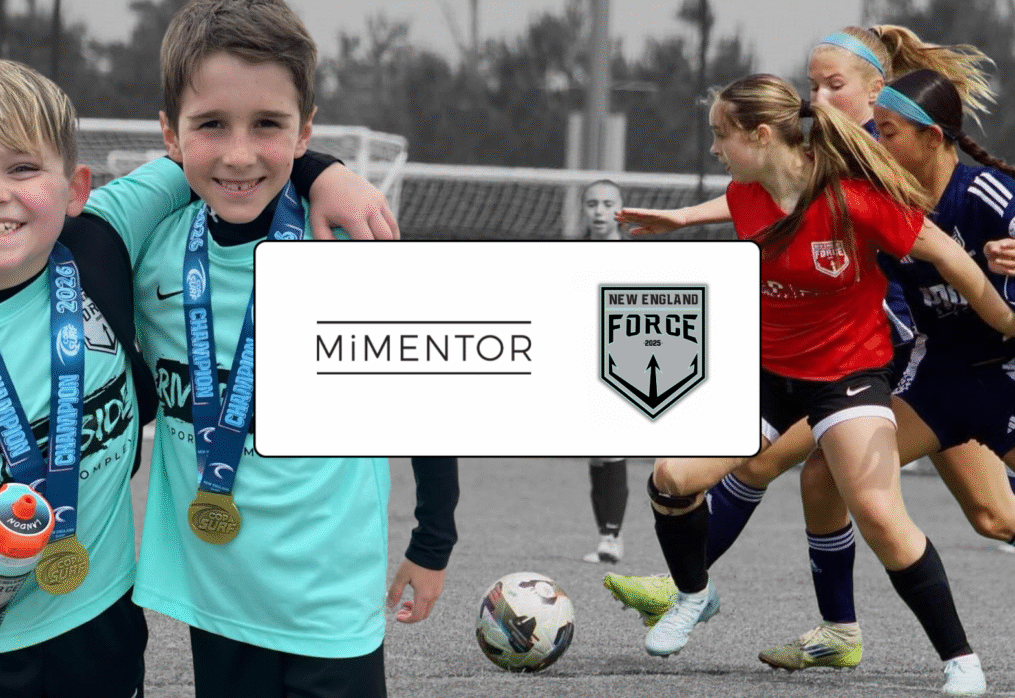
New England Force Joins The MiMentor Community

New England Force Joins The MiMentor Community

Elite youth soccer club New England Force, based in South Shore, Massachusetts, becomes the latest to use MiMentor Platform to enhance coach and player development experience

MiMentor is delighted to welcome New England Force to the platform as part of our growing community of clubs and organisations investing in coach development, shared learning and accessible education. 

The partnership will support New England Force with access to a connected learning environment where coaches and staff can engage with education content, resources and development opportunities in one place. 

At MiMentor, we believe the strongest clubs are those that invest in their people. Modern coach development is no longer limited to one-off workshops or occasional CPD. It is continuous, collaborative and built into the everyday rhythm of the club. 

By joining MiMentor, New England Force are taking another step towards creating a more connected learning environment for their coaches and staff, helping to support long-term development both on and off the pitch. 

This announcement also marks another exciting step in MiMentor’s continued growth across the US, as more clubs look for flexible and accessible ways to support coach education and club-wide development. 

We’re excited to welcome New England Force to the MiMentor community and look forward to supporting their journey. 

How Can MiMentor Platform Support Your Club, League or Organisation?

Whether you’re an individual coach looking to progress or an organisation aiming to unify your learning environment, we’d love to show you what your own MiMentor hub could look like.

Let us help you offer more first-class development opportunities to your coaches and staff.

If you want to see how MiMentor can help you, get in touch here – we’d love to hear from you!

Villa Women Link Up With MiMentor

Villa Women Link Up With MiMentor

Aston Villa Women’s Academy Strengthens Coach Development With MiMentor, Following Men’s Teams.

Continuous coach development sits at the heart of high-performing environments, and for Aston Villa Women’s Academy, creating accessible, consistent and meaningful learning opportunities for staff has become a key area of focus. 

Having joined the club as Head of Coach Development six months ago, Rob Williams has already overseen significant progress across the academy’s learning and development programme – with MiMentor now playing an important role in supporting that journey. 

Aston Villa had already integrated MiMentor into their Men’s Academy at the start of the 2024/25 season to create a unified Education Hub – an all-in-one learning environment designed to support the professional development of staff across multiple departments.

“I was aware of the platform through social media activity prior to joining the club as Head of Coach Development,” Rob explains. “On joining, I spoke to Ryan Maye and Crissy Torkildsen and was advised to look at the potential of utilising the platform for girls academy staff.” 

From the outset, the platform’s accessibility and flexibility stood out. 

As women’s football continues to grow at an elite level, so too does the need for modern, collaborative coach development structures that can support busy coaching environments. For Aston Villa Women’s Academy, the focus has been on embedding meaningful processes and creating ongoing opportunities for staff learning and reflection. 

Since Rob started the post, in just six months, the academy has already delivered: 

  • Over 100 sessions and games observed with feedback shared 
  • Multiple internal and external CPD opportunities 
  • All-staff CPD evenings and online workshops 
  • Study visits and strengthened FA relationships 
  • Increased use of video analysis tools including Hudl and VEO 
  • Enhanced reflective practice and 1:1 support processes 

MiMentor has helped provide structure and visibility across and ongoing in this work, while also supporting the wider ambition of aligning development opportunities across both the men’s and women’s pathways. 

“It is great to be able to access the same level of support as the boys’ academy programme and to standardise our processes,” Rob explains. 

Alongside supporting learning, the platform also allows the academy to evidence and track coach development activity against key objectives, an increasingly important part of modern football environments. 

“CPD and learning can be available to coaches to access at a time and place suitable for them,” says Rob. “It also provides a place to store and evidence our ongoing coach development activity, measure against KPIs and provide an evidence platform for audit.” 

While the MiMentor partnership is still in its early stages, the initial response from staff has already been positive. 

“We are at the very beginning of the partnership and engagement from staff has already been very positive,” Rob says. “The platform will allow us to provide and evidence coach development support and activity across the coming seasons.” 

As MiMentor continues to support clubs across the professional game, partnerships like this highlight the growing importance of accessible, collaborative and future-focused coach development environments, across both the men’s and women’s game. 

How Can MiMentor Platform Support Your Club, League or Organisation?

Whether you’re an individual coach looking to progress or an organisation aiming to unify your learning environment, we’d love to show you what your own MiMentor hub could look like.

Let us help you offer more first-class development opportunities to your coaches and staff.

If you want to see how MiMentor can help you, get in touch here – we’d love to hear from you!

Derbyshire FA To Use MiMentor Platform

Derbyshire FA To Use MiMentor Platform

MiMentor Partners With Derbyshire County FA

MiMentor is proud to announce a new partnership with Derbyshire County FA, bringing modern, accessible coach education to grassroots football across the county.

Through this collaboration, Derbyshire County FA will use the MiMentor Platform to support its community of coaches with flexible learning, exclusive education discounts, and new ways to connect and collaborate. 

Derbyshire County FA is the governing body for grassroots football in the county and part of The FA’s national network of County FAs. With roots stretching back to the late 19th century, the organisation has long supported local clubs, leagues, players, referees, and coaches. 

Today, Derbyshire County FA plays a vital role in developing the grassroots game, promoting inclusive participation, safe environments, and high-quality coaching that supports players at every level. 

Ashley Donovan, Football Development Officer at Derbyshire County FA, said: 
“We’re always looking for ways to support and develop our coaches, and this partnership with MiMentor allows us to do that in a more flexible and accessible way. It gives our coaching community access to high-quality learning alongside Derbyshire-specific content, which we believe will have a real impact on the experiences we can offer players across the county.” 

A Shared Vision for Coach Development 

At the heart of the partnership is a shared goal: better-supported coaches create better experiences for players. By integrating MiMentor into its coach development pathway, Derbyshire County FA is expanding how education is delivered, making learning more flexible, relevant, and accessible. 

All Derbyshire County FA members will receive discounted access to MiMentor’s existing learning library, covering key topics such as player development, session design, leadership, and modern coaching principles. 

Alongside this, the County FA will host its own custom content on the platform. This allows Derbyshire-specific education to sit alongside expert-led modules, creating a powerful blend of national insight and local relevance. 

Connecting Coaches Through MiGroups 

Derbyshire County FA will also utilise MiGroups – MiMentor’s built-in community feature that allows coaches to connect, collaborate, and learn from each other. 

MiGroups will provide a dedicated space for coaches across the county to share ideas, ask questions, and support one another, helping to build a stronger and more connected coaching culture. 

By combining digital learning, local insight, and community collaboration, MiMentor and Derbyshire County FA are creating a more connected and progressive future for grassroots coach development in the county. 

We’re excited to support Derbyshire County FA and their coaching community as they continue to inspire players and strengthen grassroots football across the region. 

Steve Pritchard, Coach Development Officer at Derbyshire County FA, said: 
“This is an exciting step forward for coach development in Derbyshire. MiMentor provides a platform that not only supports learning but also connects coaches, allowing them to share ideas and grow together. We’re proud to be working in partnership to create a more progressive and connected coaching environment.”  

James Baker, Co-Founder of MiMentor, added:
This partnership marks an important milestone for MiMentor as we continue to support coach development across the grassroots game. Derbyshire County FA shares our commitment to making education more accessible, relevant, and impactful. Together, we’re creating a more connected learning environment that will empower coaches and enhance the experience for players across the county.” 

How Can MiMentor Platform Support Your Club, League or Organisation?

Whether you’re an individual coach looking to progress or an organisation aiming to unify your learning environment, we’d love to show you what your own MiMentor hub could look like.

Let us help you offer more first-class development opportunities to your coaches and staff.

If you want to see how MiMentor can help you, get in touch here – we’d love to hear from you!